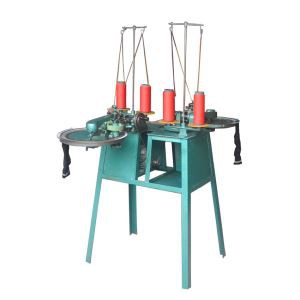
Optimizing the knitting process on a sock knitting machine is crucial for sock manufacturers aiming to enhance productivity, quality, and cost - effectiveness. As a supplier of sock knitting machines, I understand the challenges and opportunities in this field. In this blog, I will share some practical tips on how to optimize the sock knitting process.
1. Machine Selection
The first step in optimizing the knitting process is choosing the right sock knitting machine. Different machines are designed for various types of socks and production requirements.
- Plain Sock Machine: If you are producing basic, simple - design socks, a Plain Sock Machine is a great choice. These machines are relatively easy to operate and maintain, and they can produce high - volume plain socks efficiently. They are ideal for large - scale production of standard socks, such as white cotton crew socks.
- Fishing Rod Sleeve Knittting Machine: For specialized products like fishing rod sleeves, a Fishing Rod Sleeve Knittting Machine is essential. These machines are designed to create the specific shape and texture required for fishing rod sleeves, with features like precise gauge control and the ability to work with different yarns.
- Computerized Sock Knitting Machine: When it comes to producing complex designs, patterns, and customized socks, a Computerized Sock Knitting Machine is the best option. These machines use advanced software to control the knitting process, allowing for intricate patterns, color changes, and variable stitch densities. They offer high flexibility and can quickly adapt to different design requirements.
2. Yarn Selection and Preparation
The choice of yarn has a significant impact on the quality and appearance of the knitted socks. Here are some considerations:
- Yarn Type: Different yarns have different properties. For example, cotton yarns are soft, breathable, and comfortable, making them suitable for everyday socks. Wool yarns provide warmth and elasticity, which are ideal for winter socks. Synthetic yarns like nylon and polyester offer durability and moisture - wicking properties, often used in sports socks.
- Yarn Quality: High - quality yarns reduce the risk of breakage during the knitting process, resulting in fewer production interruptions. Check the yarn for consistent thickness, evenness, and strength.
- Yarn Preparation: Before using the yarn on the knitting machine, it is important to wind it onto cones or bobbins properly. This helps to ensure smooth feeding and prevents tangling. You may also need to condition the yarn to adjust its moisture content, especially for natural fibers like cotton and wool.
3. Machine Setup and Calibration
Proper machine setup and calibration are essential for achieving optimal knitting results.
- Needle and Cylinder Setup: Ensure that the needles are installed correctly and are in good condition. The cylinder, which holds the needles, should be clean and properly lubricated. Incorrect needle or cylinder setup can lead to uneven stitches, dropped stitches, or other knitting defects.
- Tension Adjustment: Adjust the yarn tension to the appropriate level. Too much tension can cause the yarn to break, while too little tension can result in loose stitches. The optimal tension depends on the type of yarn, the stitch pattern, and the machine settings.
- Stitch Density and Pattern Settings: Set the stitch density according to the desired sock thickness and appearance. For more complex patterns, use the machine's programming features to ensure accurate pattern replication.
4. Maintenance and Cleaning
Regular maintenance and cleaning of the sock knitting machine are crucial for its long - term performance.
- Daily Cleaning: After each production run, clean the machine to remove any yarn scraps, dust, and lint. Use a soft brush or compressed air to clean the needles, cylinder, and other parts.
- Lubrication: Lubricate the moving parts of the machine regularly to reduce friction and wear. Follow the manufacturer's recommendations for the type and frequency of lubrication.
- Periodic Maintenance: Schedule periodic maintenance checks by a professional technician. This includes inspecting the machine's electrical components, mechanical parts, and software systems. Replace any worn - out parts in a timely manner to prevent breakdowns.
5. Quality Control
Implementing a strict quality control system is essential to ensure that the knitted socks meet the required standards.


- In - process Inspection: Conduct regular inspections during the knitting process to detect any defects early. Check for dropped stitches, uneven tension, color variations, and other issues.
- Final Inspection: After the socks are knitted, perform a final inspection. This includes checking the size, shape, and appearance of the socks. Remove any defective socks from the production line.
- Testing: Conduct various tests on the socks, such as strength testing, colorfastness testing, and shrinkage testing. This helps to ensure that the socks meet the quality requirements of the market.
6. Operator Training
Well - trained operators are key to optimizing the sock knitting process.
- Initial Training: Provide comprehensive training to new operators on machine operation, setup, and maintenance. This includes teaching them how to read the machine's manual, adjust settings, and troubleshoot common problems.
- Continuous Training: Offer continuous training to keep operators updated on the latest machine features and knitting techniques. This helps to improve their skills and productivity over time.
- Safety Training: Ensure that operators are trained in safety procedures to prevent accidents and injuries. This includes wearing appropriate protective gear and following safety guidelines when operating the machine.
7. Process Optimization through Data Analysis
Collecting and analyzing production data can provide valuable insights for process optimization.
- Production Metrics: Track key production metrics such as production speed, defect rate, and machine downtime. Analyze this data to identify areas for improvement.
- Root Cause Analysis: When a problem occurs, conduct a root cause analysis to determine the underlying reasons. This helps to develop targeted solutions to prevent similar problems in the future.
- Continuous Improvement: Use the data analysis results to implement continuous improvement initiatives. This may involve adjusting machine settings, changing yarn suppliers, or improving operator training.
Conclusion
Optimizing the knitting process on a sock knitting machine requires a comprehensive approach that includes machine selection, yarn management, machine setup, maintenance, quality control, operator training, and data analysis. By following these tips, sock manufacturers can improve productivity, enhance product quality, and reduce costs.
If you are interested in optimizing your sock knitting process or are looking for high - quality sock knitting machines, feel free to contact us for more information and to discuss your specific needs. We are committed to providing you with the best solutions and support to help you succeed in the sock manufacturing industry.
References
- Smith, J. (2020). "Advanced Sock Knitting Techniques". Textile Press.
- Brown, A. (2019). "Sock Manufacturing: Best Practices and Innovations". Garment Industry Journal.
- Green, C. (2021). "Yarn Selection for Sock Knitting". Yarn World Magazine.