Hey there! I'm a supplier from a Rib Knit Cuffs Factory, and today I wanna chat about how we handle product defects. It's a crucial part of our business, and I'm gonna walk you through our process.
Understanding the Types of Defects
First off, we gotta know what kind of defects we're dealing with. There are a few common ones in the rib knit cuffs production. One is the uneven stitch. Sometimes, the knitting machine might mess up, and the stitches end up looking wonky. This can affect the overall look and feel of the cuffs. Another common defect is color variation. If the dyeing process isn't done right, the cuffs might have different shades than what was intended. And then there's the issue of holes or snags. These can happen during the knitting or handling process.
Detecting Defects
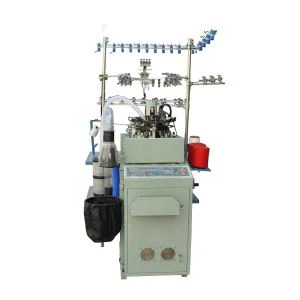
We've got a pretty strict quality control system in place to catch these defects early on. As soon as the cuffs come off the knitting machine, our workers do a visual inspection. They look for any obvious signs of problems like uneven stitches, holes, or color issues. We also use some high - tech equipment to detect more subtle defects. For example, we have a machine that can measure the thickness and density of the rib knit. If it's not within the specified range, we know there's a problem.
Isolating Defective Products
Once we detect a defect, the defective cuffs are immediately set aside. We don't want them to mix with the good ones. We have a separate area in our factory where we keep all the defective products. This helps us keep track of them and makes it easier to analyze the problem.
Analyzing the Root Cause
Now, this is a really important step. We don't just throw away the defective cuffs and move on. We try to figure out what caused the defect in the first place. If it's an issue with the knitting machine, we'll have our technicians take a look at it. Maybe it needs some adjustments or maintenance. If it's a problem with the dyeing process, we'll review our dyeing procedures and see if there are any steps that need to be changed.
Let's say we find that the uneven stitch problem is due to a worn - out part in the knitting machine. We'll replace that part and make sure to do regular maintenance to prevent the same issue from happening again. Or if the color variation is because the dye wasn't mixed properly, we'll train our workers on the correct mixing procedures.
Deciding on a Solution
Once we know the root cause, we have to decide what to do with the defective cuffs. Sometimes, we can repair them. For example, if there's a small hole, we can patch it up. But if the defect is too severe, like a major color difference or a big tear, we might have to scrap the cuffs.
We also keep track of how often certain defects occur. If a particular type of defect keeps coming up, we'll take more drastic measures. For instance, if we notice that a certain batch of raw materials is causing a lot of defects, we'll stop using that supplier and look for a better one.
Preventing Future Defects
We're always looking for ways to prevent defects from happening in the first place. We invest in high - quality knitting machines and regularly maintain them. We also train our workers on the best practices for production. And we work closely with our suppliers to make sure the raw materials we use are of the highest quality.
In addition, we conduct regular quality audits. We check our production processes, our equipment, and our raw materials to make sure everything is up to par. By doing this, we can catch potential problems before they turn into actual defects.
The Importance of Handling Defects Well
Handling product defects well is not just about getting rid of the bad products. It's about maintaining our reputation as a reliable supplier. Our customers expect high - quality rib knit cuffs, and if we don't deliver, they'll go elsewhere. By having a good system for handling defects, we can ensure that our customers are satisfied and keep coming back.
Now, if you're in the market for rib knit cuffs, we've got a great range of products. Check out our Seamless Rib Cuff For Disposable Gowns, Rib Knit Cuffs, and Tubular Cuffing Rib Knit. We're confident that you'll find what you need. And if you have any questions or want to discuss a potential order, don't hesitate to reach out. We're always happy to have a chat and work with you to meet your requirements.
References
- Manufacturing Quality Control Handbook
- Textile Production Best Practices Guide
So, that's how we handle product defects at our Rib Knit Cuffs Factory. We're committed to providing the best products and ensuring that our customers are always happy. Looking forward to working with you!